PlanetInsulation.co.uk Logo
0208 123 9710 Return Home Logo Return Home Logo
Home Support

Shopping

Your basket is empty.
Visit the store to add products to your basket.

Planet Insulation


How to fit Celotex In your loft


How to fit Celotex to your floor


Dotting and Dabbing a wall

Why Planet Insulation for UK home insulation?
 
1  Price
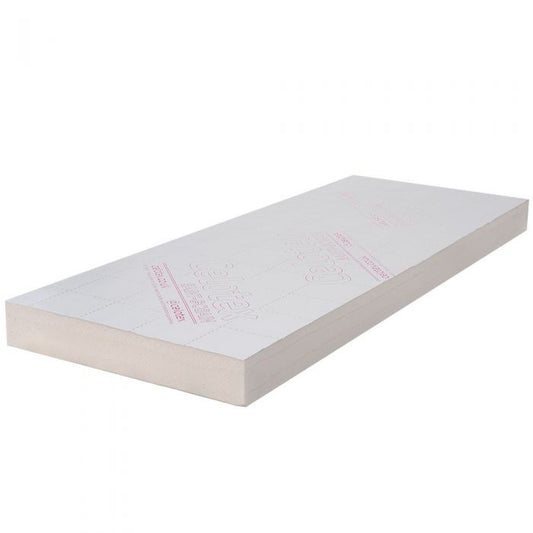
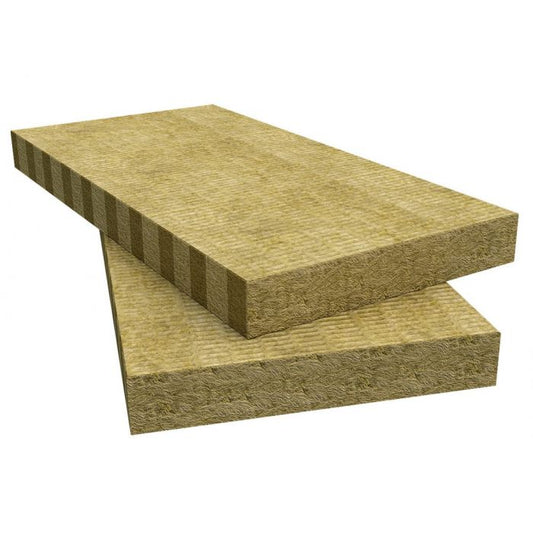
  Top brand home insulation products like Kingspan, Celotex & Gyproc direct from us at very at very low prices!
  • We buy Insulation boards in bulk to bring you the best prices.
• We only sell branded insulation never seconds.
Low prices on home insulation
   
  Low prices
 
Kingspan
TP10 20mm
£
 
Celotex
GA3050 50mm
£ 1
 
Celotex
XR4100 100mm
£
 
Thermaline
 Basic 22mm
£
  * prices per sheet with bulk discount
  Kingspan Insulation Boards
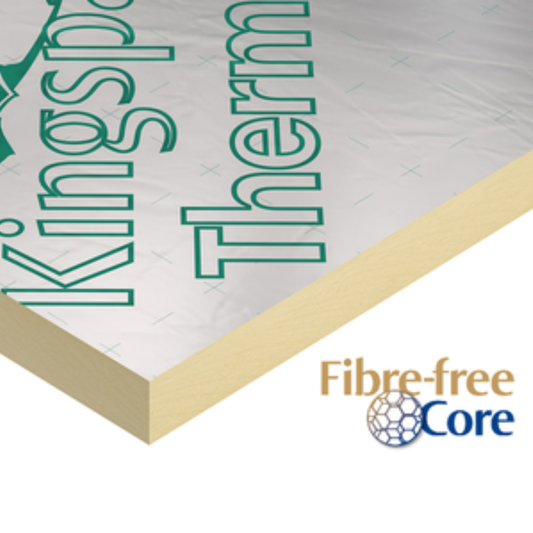
  Kingspan TP10 Kingspan K7
  Kingspan K18 Kingspan K3
  Kingspan K17
  Celotex Insulation Boards
  Celotex GA4000
  Celotex FF4000
  Celotex PB4000
  Gyproc Insulation Boards
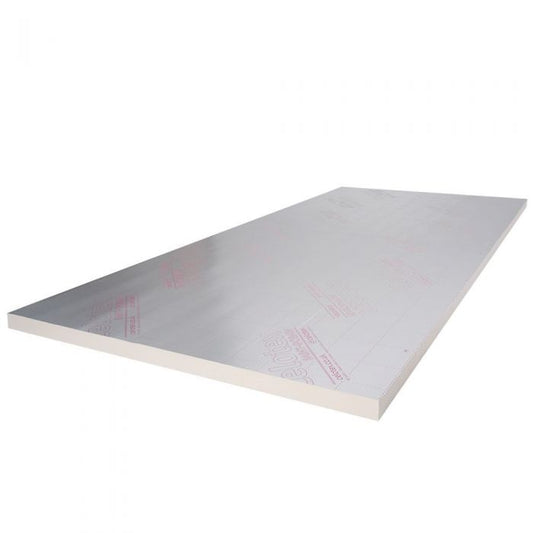
  Thermaline Basic
  Thermaline Plus
  Thermaline Super
 
 
2  Online Insulation Discounts and Free Shippping *
Free Shipping
  Kingspan or Celotex gets even cheaper with our automatic online discounting
  • Looking for a specialist insulation board in large volumes (£7500+) then call us direct.
• Jump straight to our online shop and then pick your delivery date. (* see delivery terms)
Free nationwide delivery for orders over £250
 
 
3  Make a difference
Save Earth
 
  Planet Insulation contributes to Global Warming charities.
  • Home insulation is good for lower heating bills & the planet.
• 1% donated by us to charity when paying by debit card.
• We support charities like The Rainforest Foundation.
Debit card savings donated to charity
 
 
Our guide to choosing rigid insulation boards. links:: wallsfloorsroof & ceiling

There are a wide range of products on the market aimed at aimed at insulating your home against heat loss, we aim to cut through the technical jargon and give you an idea of the right board to use in the right situation. When insulating your home you need to think about the three basic areas - walls, roofs & ceilings, floors. In this simple guide we will look at each of these areas in turn a suitable home insulation product and how to apply it.

Walls. links:: wallsfloorsroof & ceiling


In general the insulation is done internally if it is retrofitted, or within the brick courses if it is a new build. The main products for retrofitting insulation on walls are made by the three biggest supplier Kingspan, Celotex and British Gypsum. These boards come in two varieties. Those backed with plasterboard and those not.

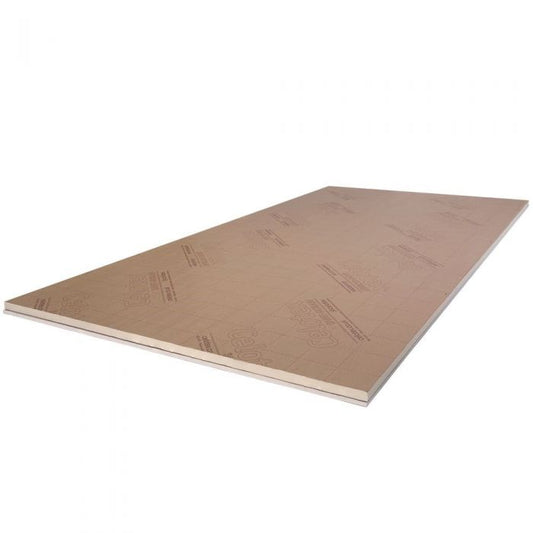
The normal thermal boards (not plaster board backed )

These are foil backed on both sides and are by far and away the most popular selling. Celotex GA4000 range and Kingspan Tp10 range make these boards and they are to all intents indistinguishable from a thermal performance perspective. The new regulations have meant that greater and greater thickness are now required to achieve the required U value. For walls this is likely to be in the region of 70mm of insulation but this is very much dependent on the wall construction ( i.e. brick or block cavity or non cavity)


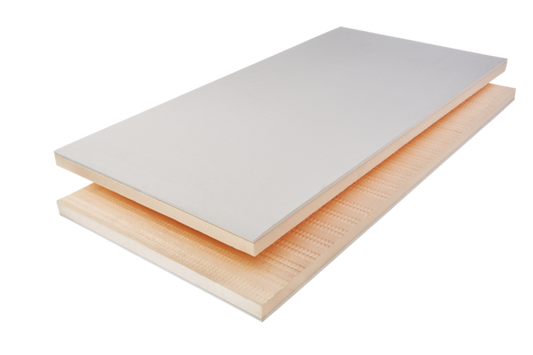
Plasterboard Backed ( Kingspan k17 & K18, Thermaline boards and Celotex PL range)


If you select a plasterboard backed product to go on your wall the main factors to think about are "How am I going to fit the product?" and "How thermally efficient is the product?"

Fixing Choices.
You can either fix mechanically with screws or you can dot and dab (glue) the product with dry wall adhesive.
With the Gyproc Thermaline range you can dot and dab or mechanically fix the whole range
For Kingspan they have divided their boards between mechanical fix Kingspan K18 and Dot and Dab KingspanK17.
Celotex provides a PL4000 board which can be glued or screwed.

Where the choice is to mechanically fix, this is typically achieved by screwing through the insulation and into either battens or direct into the party wall. Screwing into battens is the preferred method as it easier to do and provides a more stable fixing. It also adds an air gap which is necessary where damp maybe a issue. Typically a 25mm air gap is required. Dot and Dabbing is the term used to describe putting dollops of adhesive on the wall and pushing the boards into place

Thermal Efficiency
Key to making the right board choice is understanding thermal efficiency of boards. Boards use different insulants which perform differently these range from expanded polystyrene all the way to phenolic foam. The better the efficiency the more you pay however the less space that you lose to gain the same level of thermal insulation.

The boards and the thermal efficiency ranked lowest to highest.
The Least thermal efficient and cheapest Gyproc Thermaline Basic The insulator is expanded polystyrene
Gyproc Thermaline Plus- The insulation is extruded ( a much more solid polystyrene)
Celotex PL4000 boards the insulation here is PIR Foam
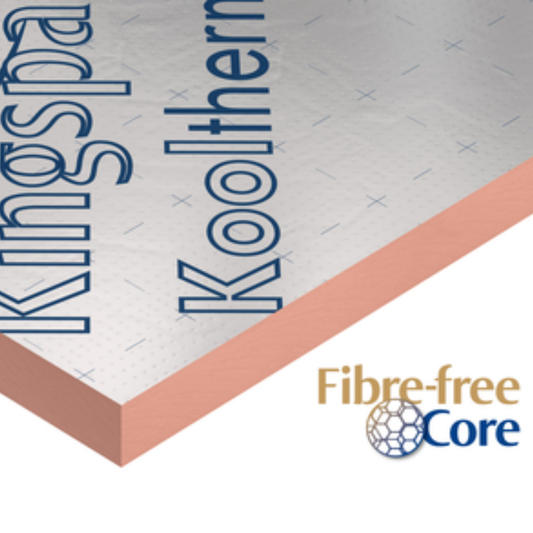
Kingspan K17 and K18 and Thermaline Super the insulation here being phenolic foam which is the most efficient of the insulating materials listed here.

Deciding on a home insulation product
You choice is often arrived at by weighing up the merits of space lost and the price of the boards. The better the performance of the insulation materials the higher the price.

Floor Insulation links:: wallsfloorsroof & ceiling


With the latest changes in regulations you are now required to achieve a U value of 0.20. This translates to a rigid board insulation of 80mm plus.
The boards used for this work are the Celotex GA400 range or the Kingspan TF70 range.
Insulating the floor is usually achieved in one of two ways. Either you screed over the top of your insulation boards or you can lay insulation over the final screed and under your floor which might be tongue and groove chipboard. With a hard surface over them these boards will take a lot of weight.

Screeding over boards
Ensure the boards are laid above the damp proof membrane. The boards must be laid on a flat source free from projections and continually supported. The boards should be laid with butted staggered joints. And a polythene sheet laid over to prevent screed getting in the joints or use the tape that we sell. A 20 mm insulation should be inserted vertically the perimeter of the floor. This should be screeded over with a sand screed cement of 65mm.

Your board choice here is a little complicated by whether you are intending to integrate under floor heating. Celotex for example do a proprietary board especially aimed at under floor heating known as their FF4000 range .Many people will use regular GA4000 boards for this application. For best value you are best to stick to regular PIR foam type boards.
The phenolic range as offered by Kingspan, Kingspan K3 is in the region of about 7-10% more efficient than the PIR boards however the benefits probably don't warrant the much higher cost. All the rigid boards have good compressive strength qualities so you may choose to lay insulation over the floor slab and lay a tongue and grooved floor directly over the top of that. Typically the same thickness of insulation is required whether you go under the slab or over it.

Insulating a suspended timber floor?
The void below an insulated suspended timber floor must be well ventilated. The insulation must be cut to fit tightly between the joists to prevent heat loss.

Roof and Ceiling Insulation links:: wallsfloorsroof & ceiling

The choice of board you will use to insulate your roof/ceiling, is normally driven by the the U value which you are required to achieve . At a U value of 0.2 this equates to thickness if in excess of 120mm of PIR insulation Board this is normally achieved by placing a thickness say 80-100mm between the joists and the rest under laying the joists. The benefit of this is that it reduces, by insulating; the cold bridging that will occur form the cold timbers of the joists.

If you are insulating a cold roof care needs to be taken to ensure that there is a gap between the insulation and roof felt to avoid the possibility of cold bridging and condensation.

Kingspan K18 is often used as the final outside layer on stud or celieng work to reduce the labour of having to put insulation and plasterboard up in a two stage process. Typically kingspan K18 25mm is used in conjunction with insulation between the joists. Which is normally about 100mm in thickness.